Analyzing the psychology behind casino gambling
The Allure of Risk and Reward
The thrill of uncertainty often lures individuals into gambling environments, particularly within casinos. This tantalizing mix of risk and potential reward activates the brain’s pleasure centers, releasing dopamine, a neurotransmitter intricately linked to pleasure and motivation. Many gamblers find themselves drawn to the excitement that comes with taking risks, as each spin of a slot machine or roll of the dice offers a fleeting chance of hitting it big. If you’re interested in exploring the world of chance and excitement, the nz online casino experience can spiral into an addictive cycle, where the anticipation of winning overshadows the financial consequences of continued play. Understanding this psychological pull provides insight into why many individuals return to casinos, often despite adverse outcomes.
Moreover, the concept of intermittent reinforcement plays a crucial role in sustaining gambling behavior. Unlike consistent outcomes, unpredictable rewards create a heightened emotional response, leaving gamblers eager for the next big win. This psychological phenomenon is often compared to that observed in other addictive behaviors, such as substance abuse, further emphasizing the significant impact of random rewards on human behavior. As gamblers keep hoping for that next win, they are unknowingly trapped in a cycle that can be challenging to break. The allure of risk becomes intoxicating, leading to a pattern where the potential for reward overshadows the reality of losses.
Furthermore, addiction to gambling often springs from the allure of risk juxtaposed with the prospect of substantial rewards. For many, the excitement transcends mere monetary gain; it becomes an integral part of their social and personal lives. The highs of winning can bolster self-esteem and provide a temporary escape from life’s challenges, allowing individuals to immerse themselves in a world where they feel empowered. Therefore, understanding this delicate interplay between risk, reward, and emotional fulfillment is vital when analyzing gambling behaviors, as it unveils the deeper motivations driving individuals to engage in such activities.
The Role of Environment in Gambling Decisions
The design and atmosphere of a casino play a pivotal role in influencing gamblers’ decisions. Casinos are masterfully crafted to create an environment that enhances excitement and promotes prolonged engagement. With bright lights, captivating sounds, and unfamiliar layouts, these establishments disorient attendees, encouraging them to lose track of time and space. This immersive experience often results in impulsive gambling behavior, as the environment triggers emotions that heighten the desire to play. The strategic placement of games, combined with sensory stimulation, fosters an environment where players feel compelled to continue their gambling journey.
Furthermore, social influences within a casino can magnify the urge to gamble. The presence of other players, the cheering of winners, and the overall electric energy create a communal atmosphere that reinforces gambling behavior. This social dynamic can lead to increased risks in decision-making, as individuals may feel pressured to participate in games due to their surroundings. Social identity plays a significant role, as people often associate their self-worth with their gambling success, complicating their relationship with risk and reward. The atmosphere cultivates a shared experience that can further encourage reckless gambling behavior.
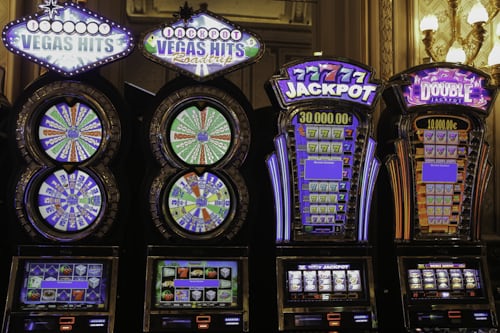
Additionally, the physical layout of casinos is strategically designed to keep players engaged for extended periods. Table games and slot machines are often clustered together, creating a sense of accessibility and temptation. The absence of windows and clocks ensures that players lose track of time, impeding their ability to make rational decisions. By understanding these environmental manipulations, we can see how casinos leverage psychological principles to maximize profits and influence gambling behaviors. Recognizing the impact of environment on decision-making is essential for both gamblers and those concerned about their well-being.
The Impact of Cognitive Biases on Gambling Behavior
Cognitive biases have a profound influence on gambling behavior, often leading individuals to make irrational decisions. Many gamblers fall prey to the gambler’s fallacy, a belief that past outcomes influence future results. For instance, a player might assume a slot machine is ‘due for a win’ after a series of losses, illustrating the flawed logic that can guide decision-making in gambling. This cognitive distortion can perpetuate a cycle of hope and disappointment, fueling the urge to continue playing despite unfavorable odds. Such biases prevent individuals from accurately assessing their chances, leading to misguided confidence in their gambling strategies.
Another common bias is the illusion of control, where gamblers believe they can influence the outcome of games of chance. This perception often leads players to engage in superstitious behaviors, such as wearing lucky clothing or employing specific rituals before betting. Such beliefs not only contribute to the persistence of gambling behavior but also mask the randomness inherent in casino games. By analyzing these cognitive distortions, we gain a deeper understanding of how they shape gamblers’ experiences and expectations, illustrating the complex relationship between psychology and gambling.
Furthermore, overconfidence is a prevalent cognitive bias among gamblers that can lead to significant financial losses. Often, individuals overestimate their abilities to predict outcomes or interpret patterns in the games they play. This inflated self-perception can result in larger bets and riskier decisions, ultimately exacerbating gambling problems. Recognizing these biases highlights the psychological complexities behind gambling behavior, emphasizing the need for education and awareness in addressing gambling addiction. Understanding cognitive biases can empower gamblers to make more informed decisions and reduce the likelihood of falling into destructive patterns.
The Emotional Rollercoaster of Gambling
Gambling creates a unique emotional rollercoaster characterized by highs and lows that can be exhilarating yet devastating. The euphoria experienced during winning streaks can lead to a sense of invincibility, reinforcing the urge to continue playing. However, the inevitable lows can lead to feelings of despair, shame, and financial regret. This emotional volatility can contribute to a cycle of compulsive gambling, where individuals chase wins to escape the negative emotions caused by losses. The psychological impact of these fluctuations is profound, influencing not only gambling habits but also overall mental health.

An essential aspect of this emotional dynamic is the social stigma associated with gambling losses. Many individuals struggle to openly discuss their gambling experiences, fearing judgment or misunderstanding. This isolation can exacerbate feelings of shame and defeat, leading to further gambling as individuals seek solace from their emotions. Recognizing this emotional aspect is crucial in providing support and resources to those affected by gambling addiction. Open discussions about these feelings can foster understanding and create environments where individuals feel safe to seek help.
Moreover, the emotional highs and lows of gambling can create a dependency on these fluctuations as a source of excitement. Some individuals may even deliberately seek out gambling as a coping mechanism for stress or anxiety, using the thrill as a temporary escape from their responsibilities. This pattern underscores the need for mental health resources that address the emotional drivers behind gambling, assisting individuals in finding healthier alternatives to cope with life’s challenges. By understanding the emotional landscape of gambling, we can better support those trying to navigate their relationship with this complex behavior.
Understanding Gambling Addiction and Resources
Gambling addiction is a serious mental health issue that can devastate individuals and families. The psychological mechanisms that capture individuals, such as the allure of risk, environmental influences, cognitive biases, and emotional volatility, create a complex tapestry that can lead to compulsive behavior. Acknowledging this addiction requires a comprehensive understanding of the underlying psychological factors, as well as empathy and support for those affected. Recognizing the signs of gambling addiction is a crucial first step in addressing this issue.
For individuals grappling with gambling addiction, a range of resources and support systems are available. Therapy options, including cognitive-behavioral therapy, can help individuals address maladaptive thought patterns and develop healthier coping strategies. Support groups, like Gamblers Anonymous, offer a community atmosphere that fosters recovery through shared experiences and accountability. Educating individuals about the psychological aspects of gambling can also equip them with the tools to recognize when they may be losing control. This proactive approach can significantly improve recovery rates.
Furthermore, public awareness campaigns can help destigmatize gambling addiction, encouraging individuals to seek help without fear of judgment. By fostering open discussions about the psychology behind gambling, society can provide the necessary support to those who struggle with addiction. Ultimately, understanding and addressing the psychological facets of gambling can lead to healthier gambling habits and a more informed public on the risks associated with this form of entertainment. It is essential for communities to rally around those affected, offering support and understanding as they work towards recovery.