The psychology behind gambling: why we play
The thrill of risk
The allure of gambling often lies in the thrill associated with taking risks, especially when considering options like $10 neosurf casino australia . This excitement stems from the human brain’s reward system, which releases dopamine, a neurotransmitter linked to feelings of pleasure. Each bet placed can evoke a rush of adrenaline, creating a sense of euphoria when one wins. This interplay of risk and reward keeps individuals engaged, as the prospect of winning often outweighs the fear of losing. For many players, the chase for that exhilarating high becomes a driving force, leading them to participate in gambling activities more frequently.
This thrill-seeking behavior can be attributed to a natural predisposition towards risk-taking, which varies from person to person. For some, the very act of wagering embodies a spirit of adventure and experimentation, providing an escape from the mundane routine of everyday life. The uncertainty of outcomes adds a layer of excitement; the anticipation of potential success can be just as intoxicating as the win itself. This psychological dynamic explains why even casual players might find themselves drawn to gambling, as they seek out this exhilarating experience.
Moreover, the concept of “near misses” plays a significant role in sustaining gambling behavior. When a player comes close to winning, their brain releases dopamine despite the loss, encouraging them to continue playing in hopes of achieving that elusive win. This cycle creates a powerful psychological loop, making it difficult to resist the temptation to gamble. As players chase these highs, they often become more immersed in the gambling experience, reinforcing the thrill of taking risks and making it increasingly challenging to step away from the activity.
The social aspect of gambling
Gambling is often a communal activity, fostering social interaction among participants. Whether in a physical venue or an online environment, the atmosphere of gambling can be electrifying, magnifying the experience through shared excitement and camaraderie. Players often build connections with others who share similar interests, which can significantly enhance the enjoyment of the experience. The social element can also serve as a factor in people’s decision to gamble, as they seek not only the thrill of winning but also the enjoyment derived from being part of a collective activity.
The social aspect extends beyond the immediate gameplay, influencing the dynamics of gambling behavior. Friends, family, or even strangers can provide encouragement or peer pressure, impacting individual decisions to engage in gambling. Celebrating wins together or sharing stories about losses can reinforce a sense of belonging. For some, gambling can function as a means to strengthen relationships, as shared experiences often lead to lasting bonds through collective participation in events or games, creating a social fabric around the activity.

Furthermore, the rise of online gambling platforms has expanded social interactions beyond geographical limitations. Players can now connect with others worldwide, partake in virtual tournaments, and join communities dedicated to discussing strategies and experiences. This enhanced connectivity fosters a sense of belonging and community, making gambling a more engaging and socially rewarding activity. The interplay between social connections and gambling behavior highlights the complexity of motivations behind why individuals choose to participate, revealing deeper psychological needs for connection and validation.
Escapism and emotional regulation
For many individuals, gambling serves as an escape from stress and emotional challenges. Engaging in gambling activities enables players to temporarily distance themselves from personal issues, whether they involve work, relationships, or mental health struggles. The immersive nature of gambling creates a distraction, allowing the player to focus solely on the game rather than their challenges. This can be particularly appealing during difficult times, as individuals may seek out activities that offer a reprieve from their daily pressures and responsibilities.
The emotional regulation aspect is significant as well; gambling can often be a coping mechanism for anxiety or depression. For some, the anticipation of a potential win can provide a temporary boost in mood that alleviates feelings of sadness or despair. This momentary escape can feel like a lifeline, providing a sense of control and excitement amid chaos. However, this reliance on gambling as a form of escapism can lead to problematic patterns if not managed carefully, potentially exacerbating underlying issues or leading to financial difficulties that compound emotional distress.
While it may provide a short-term solution to emotional distress, the consequences can be detrimental in the long run. The excitement that comes with gambling can create a cycle of highs and lows, where players oscillate between momentary euphoria and the inevitable lows associated with losses. Understanding this psychological need for escapism can help in recognizing when gambling ceases to be a source of enjoyment and begins to interfere with one’s overall well-being, prompting the need for reflection and potential change.
The illusion of control
The illusion of control is a significant psychological factor in gambling behavior. Many players believe they can influence outcomes through their strategies, skills, or even superstitions. This belief can lead to a sense of empowerment, making the activity more appealing. For instance, poker players often feel that their decisions directly impact the game’s outcome, while slot machine players might develop rituals that they believe influence their luck. Such perceptions can motivate individuals to gamble more frequently, as they feel a sense of agency over their choices and the potential outcomes.
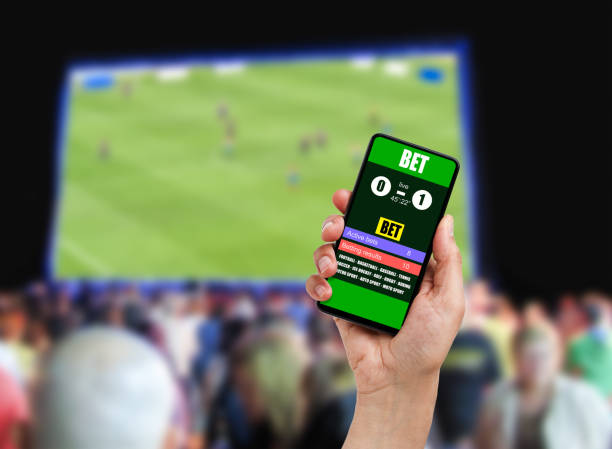
This illusion is further reinforced by selective memory; players are more likely to remember wins and forget losses. Such cognitive biases contribute to a skewed perception of risk and reward, leading to increased gambling behavior. The belief that one can outsmart a game or predict outcomes often overshadows the reality that most gambling activities are based on chance. This misjudgment can lead to an underestimation of the inherent risks involved, perpetuating the cycle of gambling and making it difficult for players to recognize when their behavior may be harmful.
Additionally, the concept of “gamblers fallacy” plays into this illusion. Players might believe that past outcomes influence future results, thinking they’re due for a win after a series of losses. This flawed reasoning can lead to increased betting and ultimately more significant losses, as players chase the idea of a “due” win. Understanding the psychological mechanisms underlying this illusion is crucial in promoting responsible gambling practices and fostering awareness of the true nature of games of chance, helping players to recognize the importance of moderation and informed decision-making.
Understanding gambling through research and resources
Exploring the psychology behind gambling involves tapping into a wealth of research that delves into human behavior and decision-making processes. Various studies have examined the motivations for gambling, identifying factors such as risk-taking tendencies, social influences, and emotional needs. By understanding these psychological components, individuals can gain insight into their behaviors and make informed choices about their gambling activities. Resources such as academic journals, psychology websites, and gambling support organizations provide valuable information on the intricacies of gambling behavior, offering a deeper understanding of why people gamble.
Additionally, responsible gambling websites aim to educate players about the risks associated with gambling while also offering strategies to help make informed choices. These platforms often provide tools for self-assessment, helping individuals identify patterns in their behavior that may signal a need for moderation or assistance. By accessing these resources, players can gain a better understanding of their motivations and behaviors, enabling them to approach gambling more responsibly and with greater awareness of the potential consequences.
Understanding the psychology behind gambling is crucial for both players and the wider community. By fostering awareness of the psychological mechanisms at play, individuals can better comprehend their relationship with gambling and its implications. Resources dedicated to promoting responsible gambling can empower individuals to make choices aligned with their well-being while navigating the complexities of this engaging activity. Awareness and education are key to ensuring that gambling remains a form of entertainment rather than a source of distress.